English
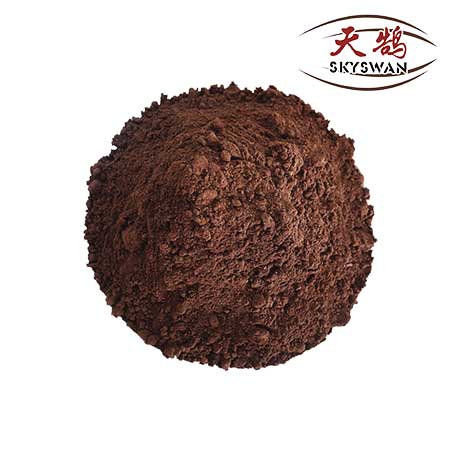
Cocoa powder is a fundamental ingredient in chocolate, baking, beverages, and desserts. Choosing the right type of cocoa powder can significantly impact flavor, color, texture, and even leavening in recipes. The two primary types are non-alkalized cocoa powder (natural) and alkalized cocoa powder (Dutch-processed). Both have unique properties and applications, making understanding their differences essential for chocolatiers, bakers, and industrial manufacturers.
Skyswan, a trusted cocoa powder manufacturer, provides both non-alkalized cocoa powder and alkalized cocoa powder, ensuring consistent quality, rich flavor, and optimal performance across a range of culinary and industrial uses.

Non-alkalized cocoa powder, often called natural cocoa powder, is made from roasted cocoa beans that are ground into a fine powder without undergoing chemical treatment. This preserves its natural acidity, rich chocolate flavor, and deep reddish-brown color.
Key Characteristics of Non-Alkalized Cocoa Powder:
Acidic pH (around 5-6), which interacts with baking soda for natural leavening.
Intense, robust chocolate flavor suitable for traditional recipes.
High antioxidant content, retaining more of the natural cocoa compounds.
Non-alkalized cocoa powder is ideal for recipes that require acidity for leavening, such as cakes, muffins, and brownies. It also preserves the authentic chocolate aroma and taste that chocolate enthusiasts value.
Alkalized cocoa powder, also known as Dutch-processed cocoa powder, undergoes a chemical treatment with an alkalizing agent such as potassium carbonate. This process neutralizes the cocoa's natural acidity, producing a smoother flavor, darker color, and more consistent solubility in liquids.
Key Characteristics of Alkalized Cocoa Powder:
Neutral to slightly alkaline pH (around 7-8), which reduces interactions with baking soda.
Milder, less bitter taste, preferred for delicate desserts.
Darker color, enhancing the visual appeal of baked goods and confections.
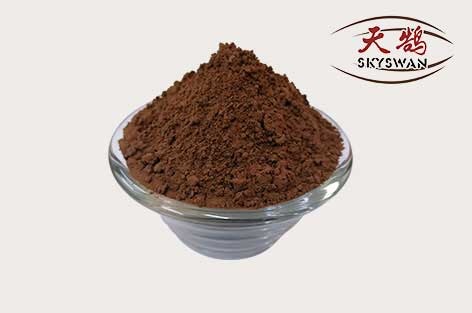
Alkalized cocoa powder uses: in chocolate sauces, ganaches, beverages, and European-style chocolates where a smooth taste and dark color are desired. Skyswan, as one of the professional alkalized cocoa powder manufacturers, provides premium alkalized cocoa powder ensures consistent performance for artisanal and industrial chocolate applications.
| Feature | Non-Alkalized Cocoa Powder | Alkalized (Dutch-Processed) Cocoa Powder |
|---|---|---|
| pH | Acidic (5–6) | Neutral to slightly alkaline (7–8) |
| Flavor | Strong, robust chocolate | Smooth, mellow chocolate |
| Color | Reddish-brown | Dark brown to deep chocolate |
| Baking Interaction | Reacts with baking soda | Requires baking powder for leavening |
| Antioxidant Content | Higher | Slightly reduced due to alkalization |
| Applications | Cakes, brownies, traditional desserts | Ganaches, sauces, European-style chocolates |
This table highlights that non-alkalized cocoa powder is ideal for recipes requiring acidity and bold flavor, while alkalized cocoa powder excels in smooth, visually appealing chocolate applications.
| Benefit Category | Non-Alkalized Cocoa Powder | Alkalized Cocoa Powder |
|---|---|---|
| Flavor | Intense, authentic chocolate taste | Smooth, mellow taste |
| Color | Natural reddish-brown | Darker, rich appearance |
| Nutritional Value | High antioxidants, flavonoids | Moderate antioxidants |
| Baking Performance | Reacts with baking soda for leavening | Works with baking powder, stable pH |
| Application | Traditional cakes, brownies, chocolate beverages | Ganaches, sauces, European-style chocolates |
By understanding these non-alkalized and alkalized cocoa powder benefits, bakers and chocolatiers can select the cocoa powder type that best aligns with recipe requirements and desired outcomes. Skyswan’s cocoa powders provide consistent quality, flavor, and performance for both artisanal and industrial chocolate production.

Both types of cocoa powder are widely used in the food and beverage industry, with specific applications:
Non-Alkalized Cocoa Powder:
Cakes, muffins, and brownies requiring natural leavening.
Hot cocoa and beverages with robust chocolate flavor.
Recipes where acidity enhances taste and texture.
Alkalized Cocoa Powder:
Ganaches, chocolate sauces, and confections requiring smooth flavor.
European-style chocolates and chocolate coatings with darker appearance.
Recipes where neutral pH ensures consistency in commercial production.
Skyswan supplies both forms of cocoa powder to meet the needs of professional chocolatiers, bakers, and large-scale manufacturers, guaranteeing rich flavor, consistent color, and functional performance.
1. What is the difference between non-alkalized cocoa powder vs alkalized cocoa powder?
When it comes to non-alkalized cocoa powder vs alkalized, non-alkalized cocoa powder is acidic and reacts with baking soda, providing a strong chocolate flavor. Alkalized cocoa powder is neutral, smoother, darker, and works with baking powder.
2. What types of cocoa powder are available?
Non-alkalized (natural) cocoa powder
Alkalized (Dutch-processed) cocoa powder
Skyswan provides both types in premium quality for artisan and industrial use.
3. How to choose the right cocoa powder?
Consider recipe needs, flavor intensity, color preference, and leavening requirements. For high-quality chocolate and baking, supplier consistency is key — Skyswan ensures premium cocoa powder with reliable particle size, flavor, and color.
When sourcing cocoa powder, it is critical to work with experienced and reliable suppliers. Alkalized cocoa powder manufacturers like Skyswan provide:
Consistent, high-quality alkalized and non-alkalized cocoa powders.
Fine particle size for smooth texture and easy mixing.
Reliable sourcing of cocoa beans with traceable origin.
Support for both small-scale artisanal production and large industrial chocolate manufacturing.
Partnering with Skyswan guarantees quality, flavor, and product consistency for professional chocolate production and baking applications.
Choosing between non-alkalized cocoa powder and alkalized cocoa powder depends on the recipe, flavor preference, and application. Non-alkalized cocoa powder offers robust chocolate flavor and natural acidity, ideal for traditional baking, while alkalized cocoa powder provides a smoother taste, darker color, and stability for ganaches, sauces, and European-style chocolates.
Skyswan, a leading supplier of premium cocoa products, offers both non-alkalized and alkalized cocoa powders, ensuring consistent quality, rich flavor, and functional performance for chocolatiers, bakers, and industrial manufacturers. By understanding the differences and selecting the right cocoa powder, professionals can create superior chocolate products with optimal flavor, texture, and visual appeal.