English
Chocolate begins with cocoa, and understanding the ingredients is key for both professional chocolatiers and home bakers. Two of the most essential forms are cocoa mass and cocoa powder. While they originate from the same cocoa beans, their composition, flavor, texture, and applications are distinct.
Skyswan supplies high-quality cocoa products, including pure cocoa mass and premium cocoa powder, trusted by chocolate makers worldwide to produce rich, smooth, and consistent chocolate products.
This guide will explain what cocoa mass and cocoa powder are, their differences, applications, benefits, and considerations for use, giving you the knowledge to select the right cocoa form for your recipes.
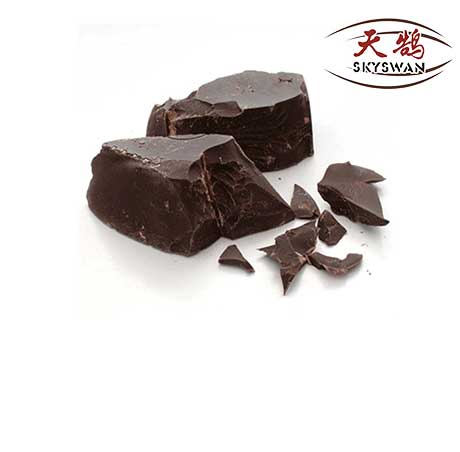
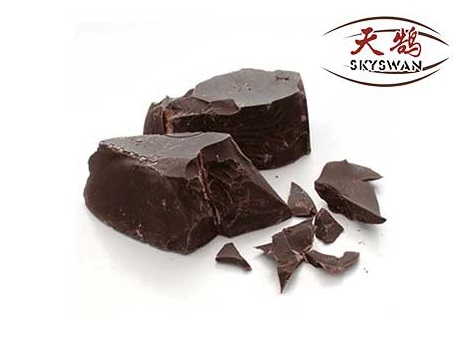
Cocoa mass, sometimes called cocoa liquor, is made by roasting, cracking, and grinding cocoa beans into a smooth paste. It contains both cocoa solids and cocoa butter, which together define chocolate’s flavor, texture, and quality.
Key points about cocoa mass:
Flavor: Rich and complex, providing the classic chocolate taste.
Texture: Dense and viscous due to natural cocoa butter.
Composition: Approximately 50–55% cocoa solids and 45–50% cocoa butter.
Use: Forms the base of chocolate, ganaches, coatings, and truffles.
Cocoa mass is particularly valued in high-end chocolate production because it preserves the natural fat of the cocoa bean, ensuring smooth texture and melt-in-the-mouth creaminess. Skyswan’s cocoa mass ensures consistent quality and flavor for both artisanal and industrial chocolate products.
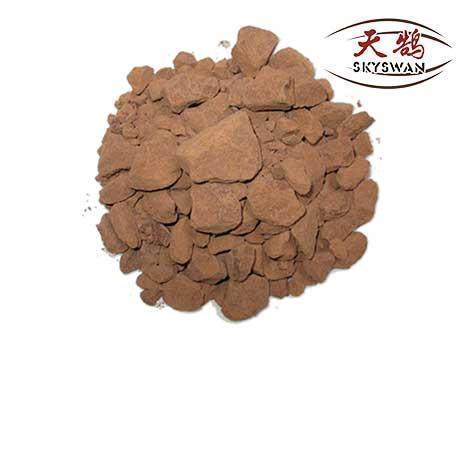
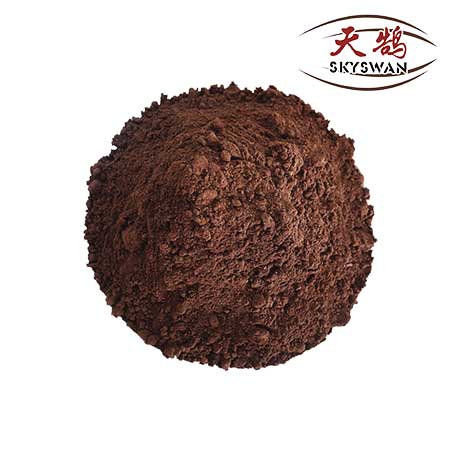
Cocoa powder is the solid component of the cocoa bean obtained after removing most of the cocoa butter from cocoa mass. It is finely ground and typically has a rich, deep chocolate flavor, with very low fat content.
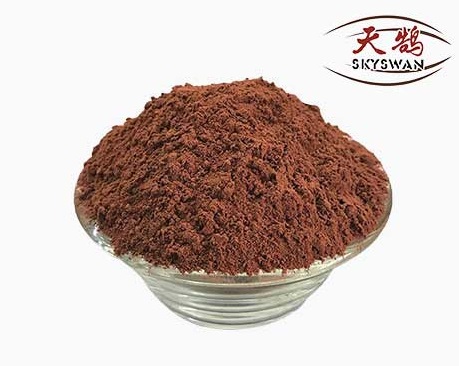
Key points about cocoa powder:
Flavor: Concentrated chocolate taste but slightly less creamy than cocoa mass.
Texture: Dry and powdery, ideal for mixing into liquids or batters.
Composition: Primarily cocoa solids, usually 10–24% fat depending on processing.
Use: Baking, beverages, chocolate drinks, dusting, and flavoring.
Skyswan cocoa powder provides consistent particle size, color, and flavor, perfect for high-quality chocolate, baking, and confectionery applications.
People may ask: does cocoa powder contain dairy? Pure cocoa powder is derived from cacao beans and is naturally dairy-free, as it contains no milk-derived ingredients.
Although cocoa mass and cocoa powder come from the same source, their differences impact chocolate making, flavor, and texture.
| Feature | Cocoa Mass | Cocoa Powder |
|---|---|---|
| Composition | Cocoa solids + cocoa butter | Mostly cocoa solids, minimal fat |
| Texture | Thick, paste-like | Fine, dry powder |
| Flavor | Rich, creamy chocolate flavor | Intense cocoa taste but less creamy |
| Fat Content | 45–50% cocoa butter | 10–24% depending on fat removal |
| Usage | Base for chocolate bars, truffles, ganaches | Baking, cocoa drinks, dusting, flavoring |
| Melting Behavior | Melts smoothly due to cocoa butter | Does not melt easily; needs fat to integrate |
| Nutritional Value | Contains antioxidants and healthy fats | Mainly cocoa solids, lower fat content |
Key takeaway: Cocoa mass delivers both flavor and fat for smooth chocolate, while cocoa powder focuses on chocolate taste and can be more versatile for dry applications.
Both cocoa mass and cocoa powder have essential roles in the chocolate and confectionery industry:
Chocolate Bars: Forms the foundation for dark, milk, and specialty chocolate.
Ganaches and Truffles: Provides creamy texture and rich flavor.
Chocolate Coatings: Ensures smooth, glossy chocolate surfaces.
Industrial Chocolate Production: Used in spreads, syrups, and fillings.
Baking: Incorporated into cakes, brownies, cookies, and pastries.
Beverages: Used in hot chocolate, chocolate milk, and chocolate syrups.
Dusting: Enhances appearance and adds flavor to desserts.
Chocolate Flavoring: Adds cocoa taste without adding fat or texture.
Skyswan provides both pure cocoa mass and premium cocoa powder to give chocolatiers the flexibility to create smooth, flavorful, and high-quality chocolate products.
| Feature | Benefits |
|---|---|
| Cocoa Mass | - Smooth, creamy texture due to natural cocoa butter - Rich, complex chocolate flavor - Ideal for high-quality chocolate, ganaches, and confections - Contains antioxidants, magnesium, and iron |
| Cocoa Powder | - Easy to store and use in dry formulations - Provides concentrated chocolate flavor without additional fat - Versatile for baking, drinks, and dusting |
1. Can Cocoa Mass Be Used in Baking?
Yes. Cocoa mass can be melted and incorporated into batters, ganaches, or chocolate coatings. Its natural fat helps achieve moist, rich baked goods.
2. Can Cocoa Powder Replace Cocoa Mass?
Partially. Cocoa powder can replace the chocolate flavor of cocoa mass, but additional fat (like butter or cocoa butter) is required to achieve similar texture and creaminess.
3. How is Cocoa Powder Made?
Cocoa powder is produced by pressing cocoa mass to remove most of the cocoa butter, then grinding the remaining solids into a fine powder.
Understanding the differences between cocoa mass and cocoa powder is essential for chocolate makers, bakers, and culinary professionals.
Cocoa Mass: Combines cocoa solids and cocoa butter, providing flavor, smoothness, and melt-in-the-mouth texture.
Cocoa Powder: Provides intense chocolate flavor with low fat, ideal for baking, beverages, and dusting.
Choosing the right form depends on your product, application, and desired chocolate characteristics. By selecting high-quality cocoa products from Skyswan, you ensure consistent flavor, texture, and superior chocolate quality for every recipe.
Whether crafting artisan chocolate, baking decadent desserts, or producing industrial chocolate products, Skyswan’s cocoa mass and cocoa powder provide the foundation for exceptional chocolate experiences.